Engineered Design for Enhanced Stability
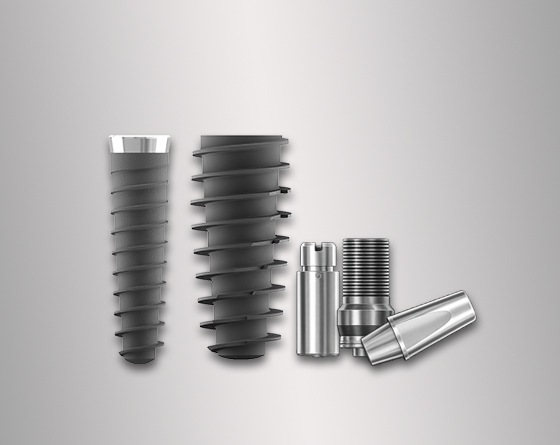
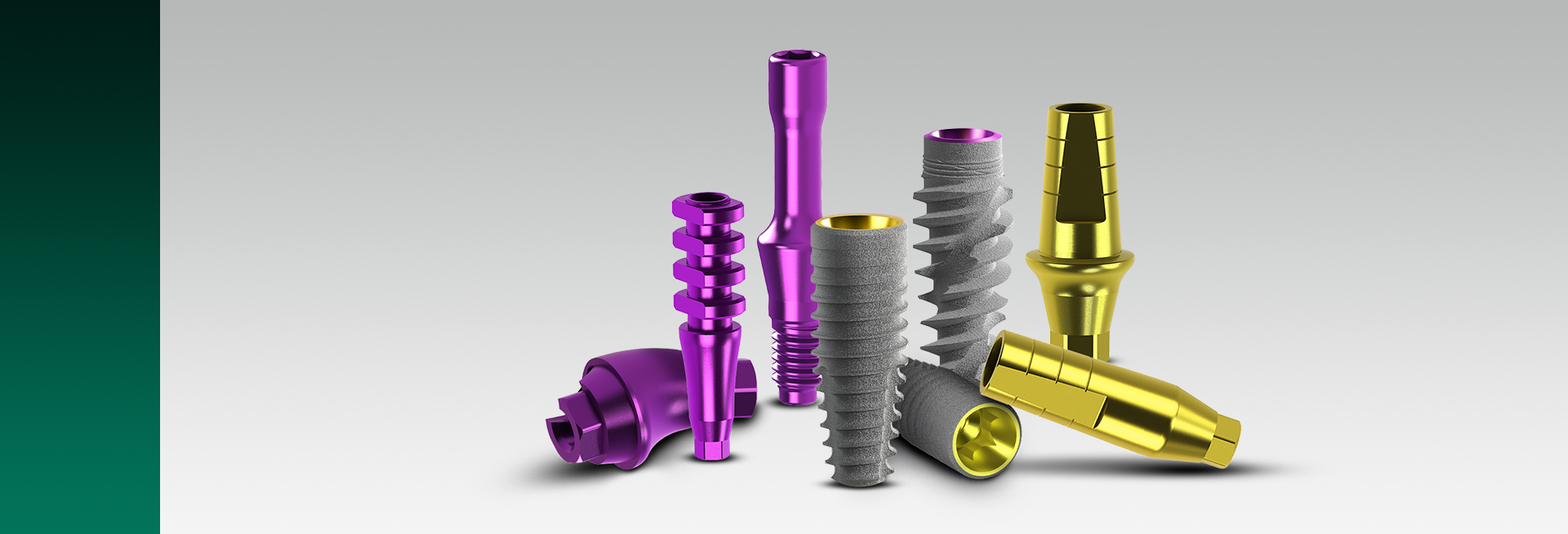
One of the key strengths of Bio3 implants is the precise design of their body and threads. In the Advanced and Progressive models, the tapered body, self-tapping design, and specialized thread geometry help achieve high primary stability and provide a precise connection between the fixture and the bone. In the FIX model, the dual-threaded design and spiral grooves provide controlled bone cutting while increasing the contact area between the bone and the implant.
These features allow the Bio3 implant family to be used in various bone conditions, including different bone densities. However, the final selection of the fixture type and treatment protocol should be based on the patient’s clinical condition and the implantologist’s diagnosis.
Hydrophilic Surface to Support Osseointegration
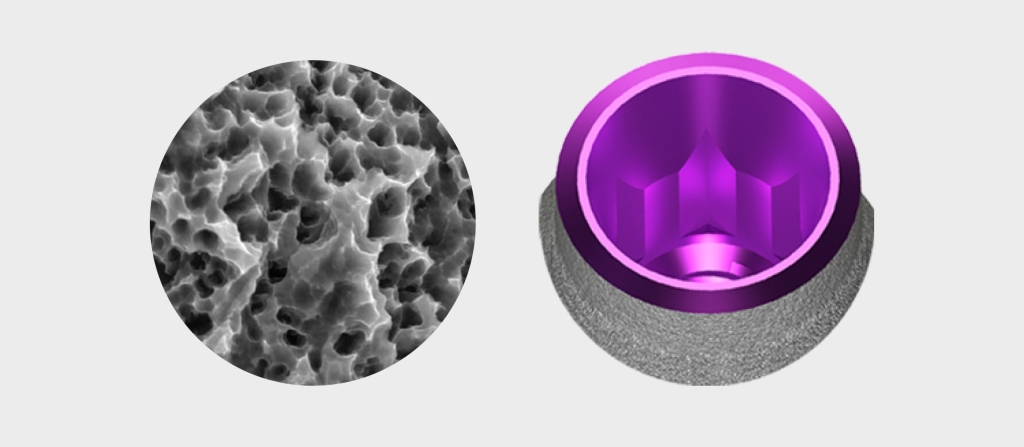
The hydrophilic surface of Bio3 implants is designed to create more favorable conditions for interaction between the fixture surface and the bone. Increasing the contact area between the fixture and the bone may contribute to faster and stronger osseointegration, a process that plays a fundamental role in achieving optimal implant stability.
In the Advanced and Progressive models, the fixture surface is designed to increase bone-to-implant contact and provide favorable conditions for achieving primary stability and continuing the bone formation process.
Three Designs for Different Requirements
Advanced Implant: Flexibility in Various Bone Conditions
The Advanced implant is designed with a shape similar to the natural tooth root and features triple threads to achieve appropriate primary stability and facilitate the implantation procedure. This model can be used in different bone types, from Type I to Type IV. Its self-tapping design and tapered body allow the fixture to be accurately positioned within the bone.
Progressive Implant: Focus on Stability and Versatility
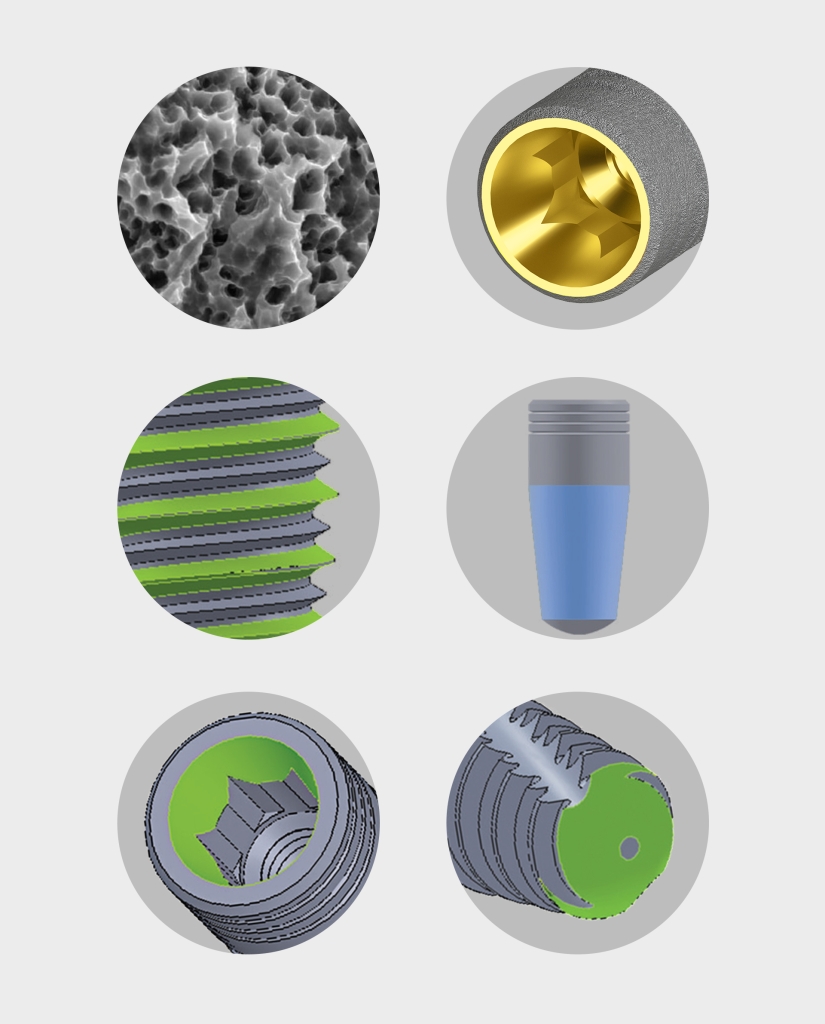
The Progressive implant features a tapered body, variable-depth threads, and a self-tapping design to provide appropriate bone compression and achieve high primary stability. The thread design in the neck region also increases the contact area between the fixture and the cortical bone.
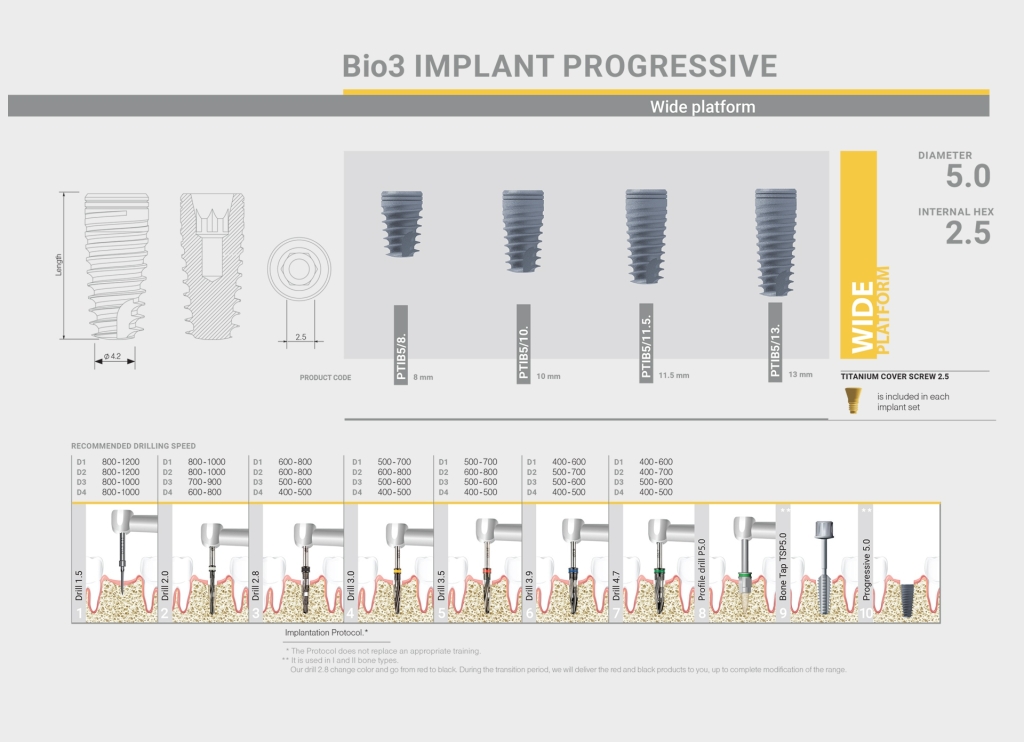
This model is recommended for Type II, III, and IV bone and is available in two platforms, Standard and Wide, providing greater flexibility in selecting a fixture according to the patient’s condition.
FIX Implant: An Option for Immediate Loading Protocols
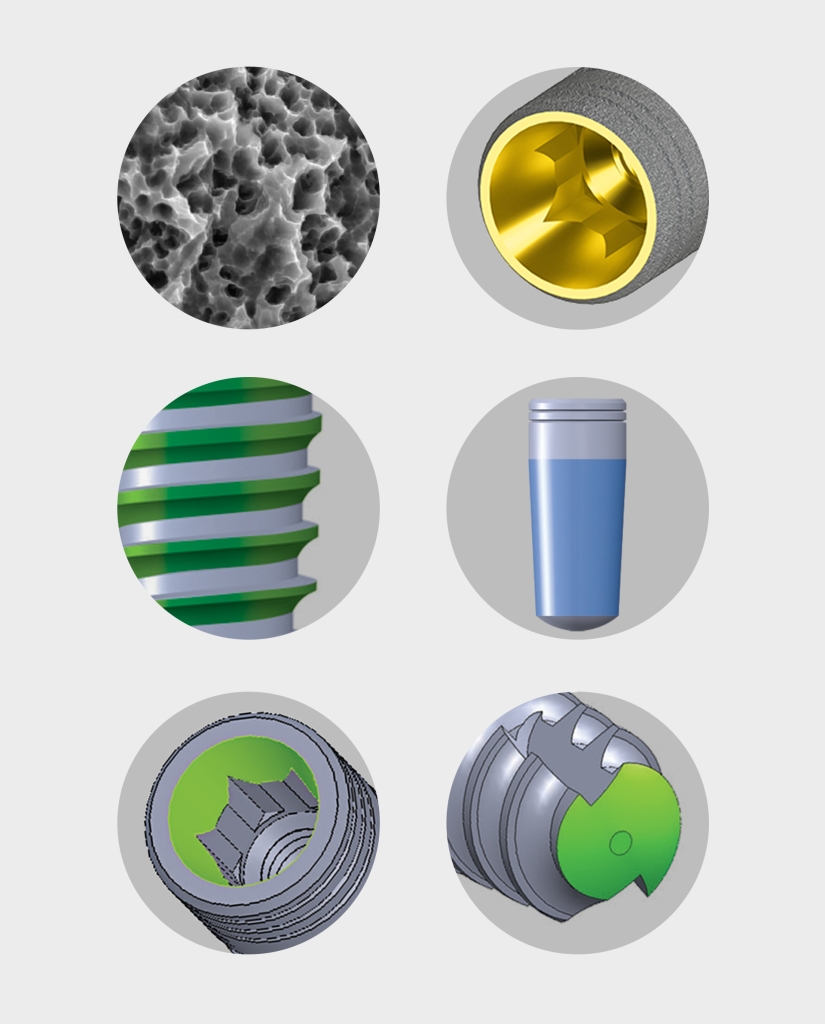
The FIX implant features a fully threaded body, tapered design, hydrophilic surface, and dual-threaded structure, and is specifically designed for immediate loading. This design can help achieve appropriate stability and increase bone-to-fixture contact.
A reduced number of appointments and a shorter treatment period are among the potential benefits of an immediate loading protocol. However, depending on the patient’s condition, as well as the surgeon’s choice and expertise, this implant may also be used with other treatment protocols.
Precise Fixture-to-Abutment Connection
In the Advanced and Progressive models, the conical connection combined with an internal hex allows for a precise connection between the fixture and abutment. The 12-degree conical angle and precisely engineered connection area are designed to increase the stability of the implant and prosthetic components while reducing stress applied to the fixture neck.
Apical Design for More Precise Bone Entry
The apical section of the Advanced and Progressive models is designed to allow the fixture to enter the bone with minimal interference with anatomical structures. The appropriate shape of this section can also provide better control of the fixture during procedures such as sinus lifting.
Dimensional Variety for More Precise Selection
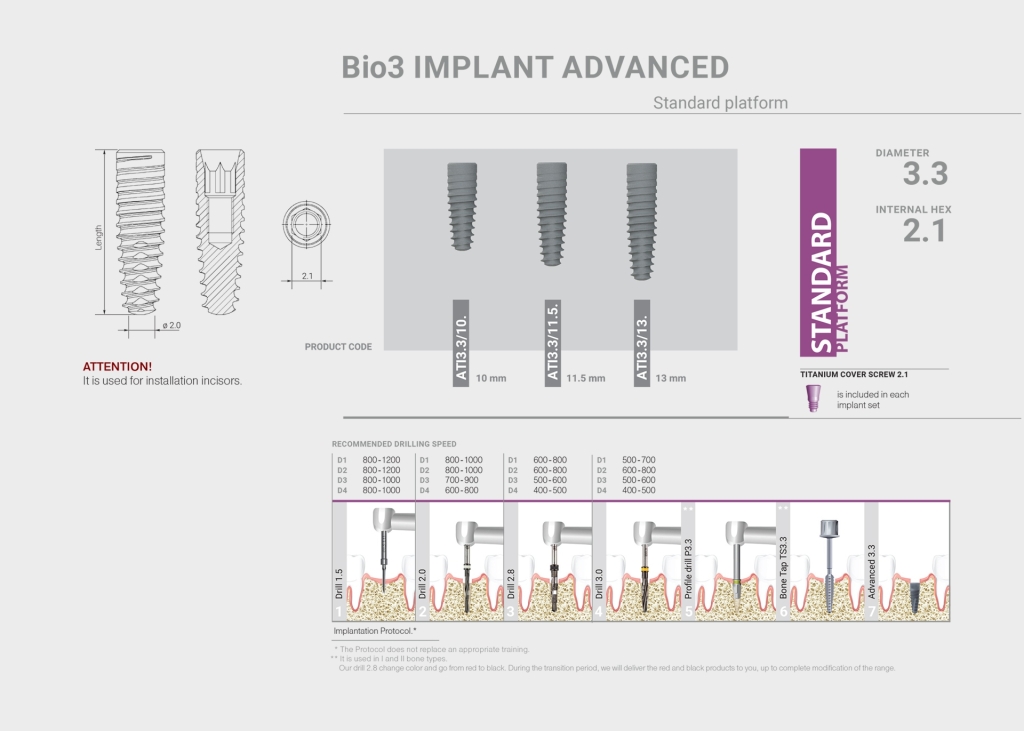
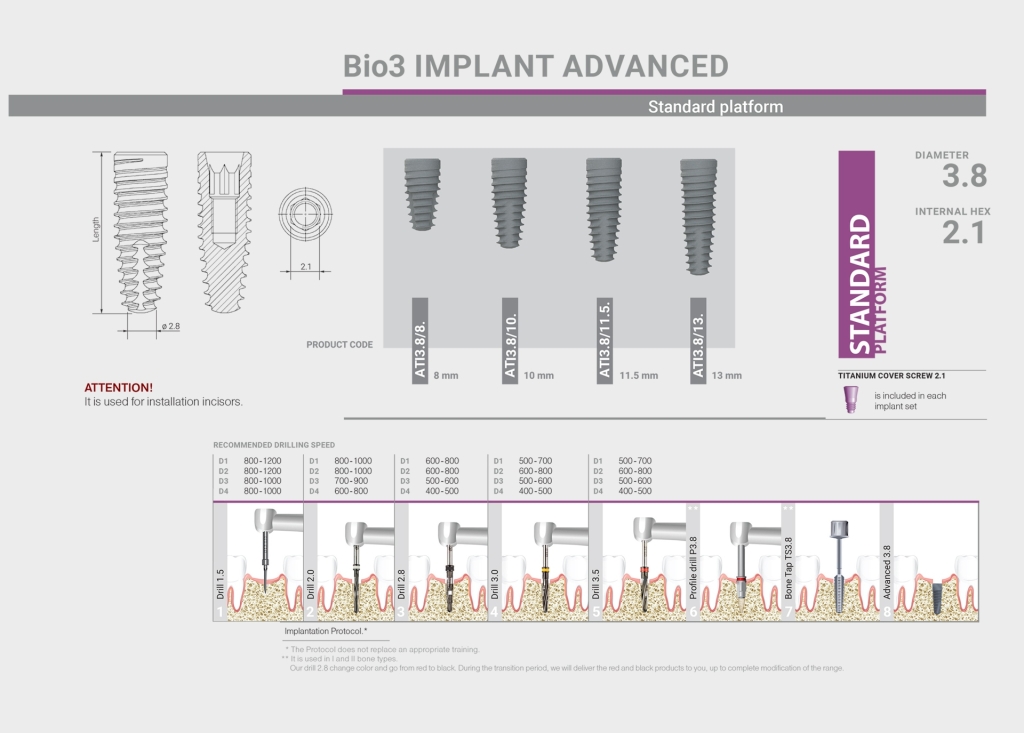
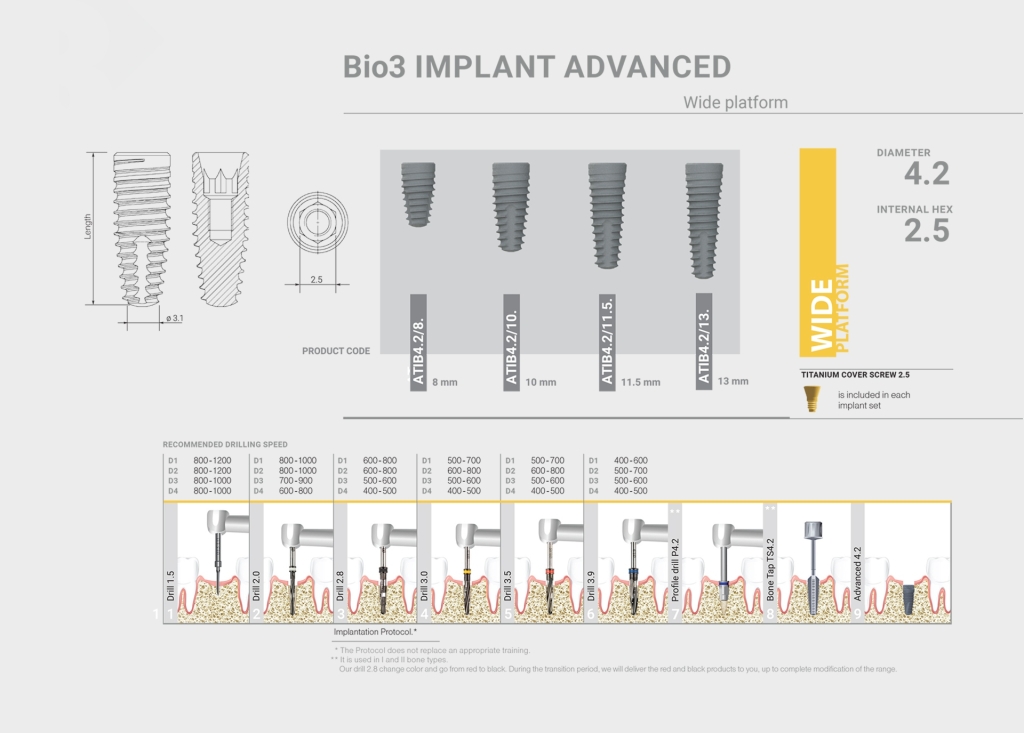
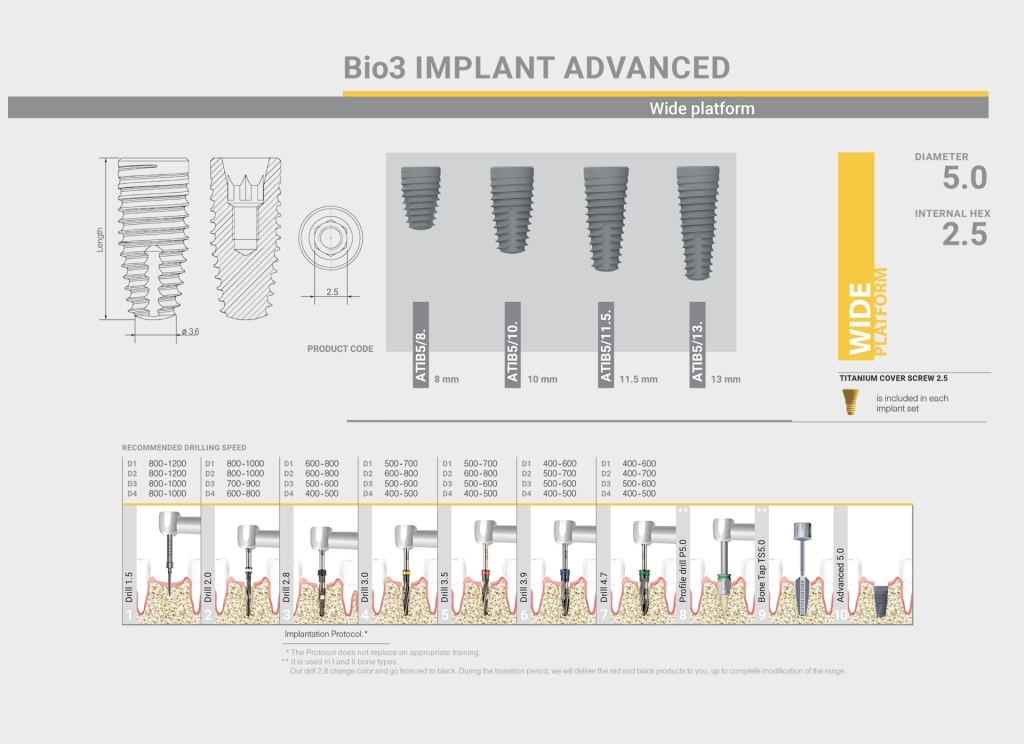
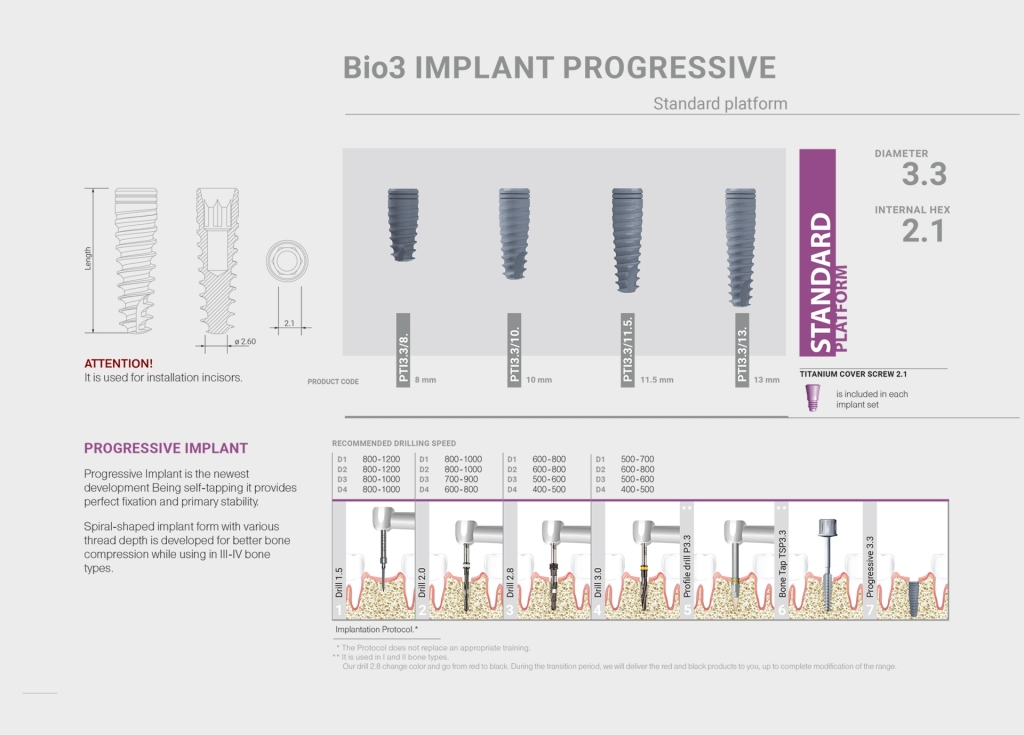
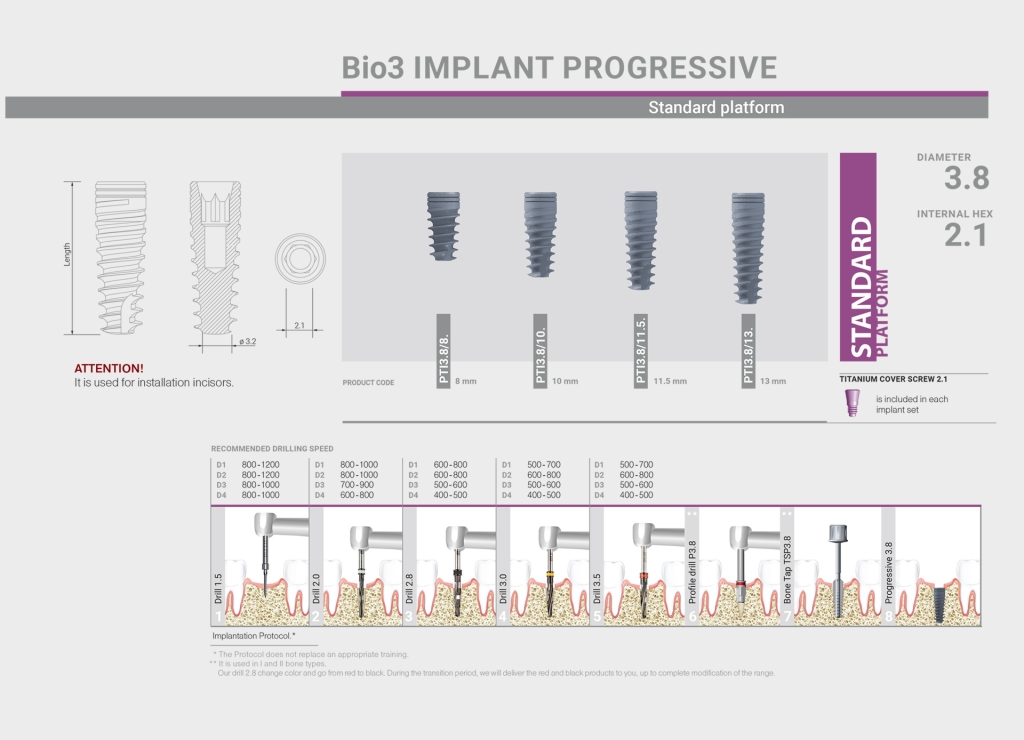
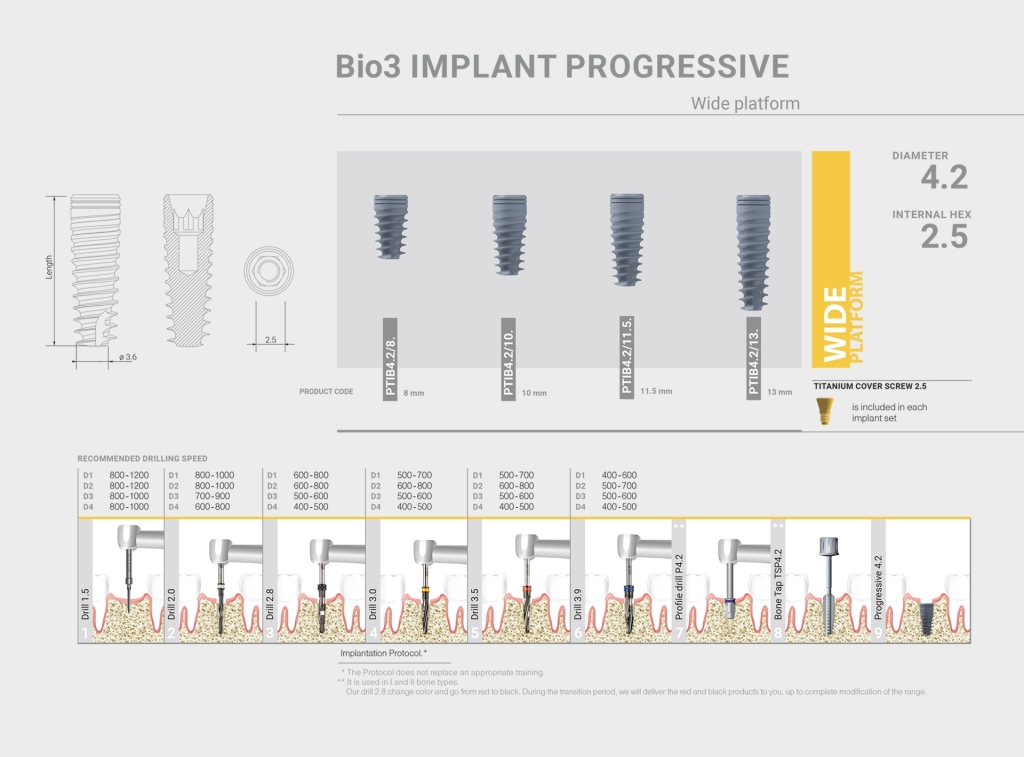
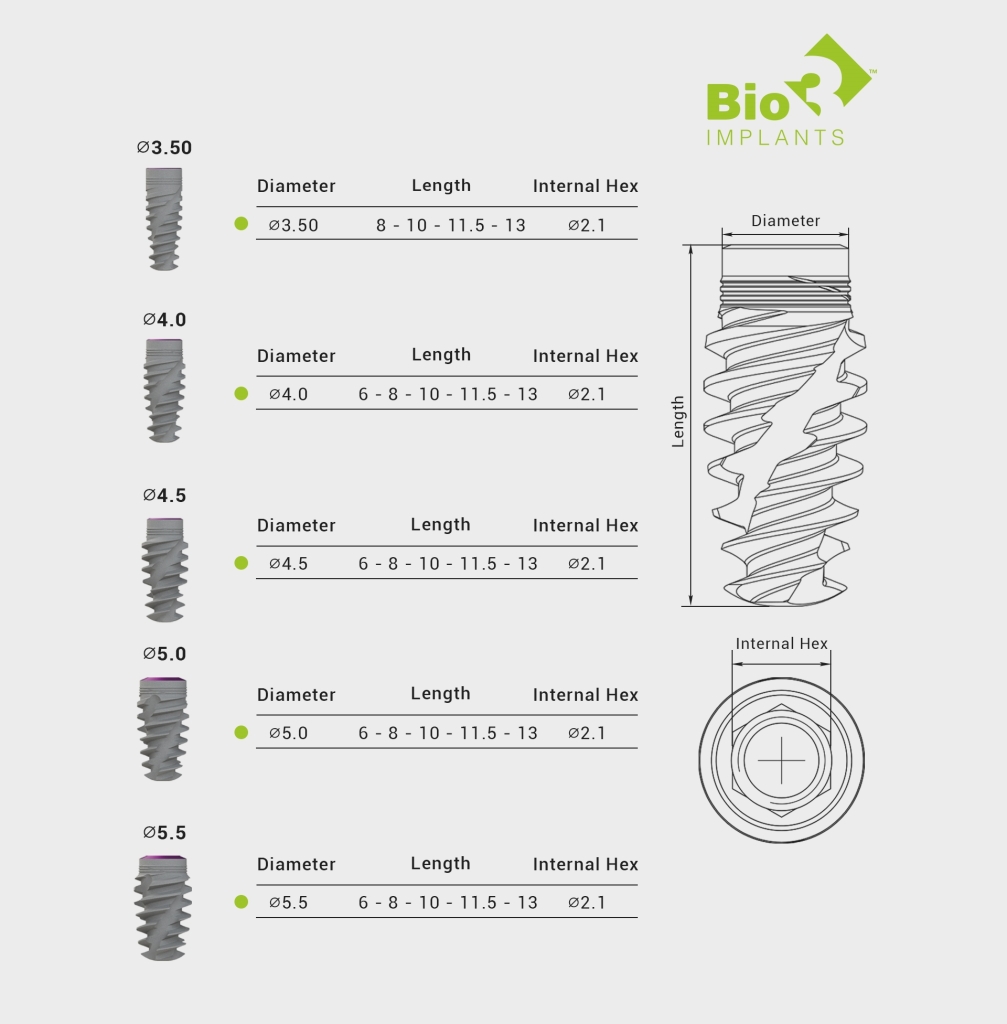
The Advanced and Progressive models are manufactured in two groups: Standard Platform and Wide Platform. The Standard Platform is available with external diameters of 3.3 and 3.8 mm, while the Wide Platform is available with external diameters of 4.2 and 5.0 mm. These fixtures are available in lengths of 8, 10, 11.5, and 13 mm.
This range of dimensions allows the implantologist to select a more suitable fixture based on the patient’s bone condition and treatment requirements. A titanium fixture cover screw is also included in the package of each fixture.
Product Catalogue
Complete information about its technical specifications, specialized features, and applications